

The Tokenization Supercycle
We are in the middle of a global tokenization supercycle. Tokenization enables anyone, anywhere, to buy into an asset without a broker standing in the middle. It lets you own a small piece of an asset instead of the whole thing. More importantly, it keeps the market open around the clock, with settlement in seconds instead of days.
Stocks were first and you can now buy tokenized equities at 2am on a Sunday from your phone, anywhere around the world.
Productive assets are next: machines that get paid for doing real work in the real world.
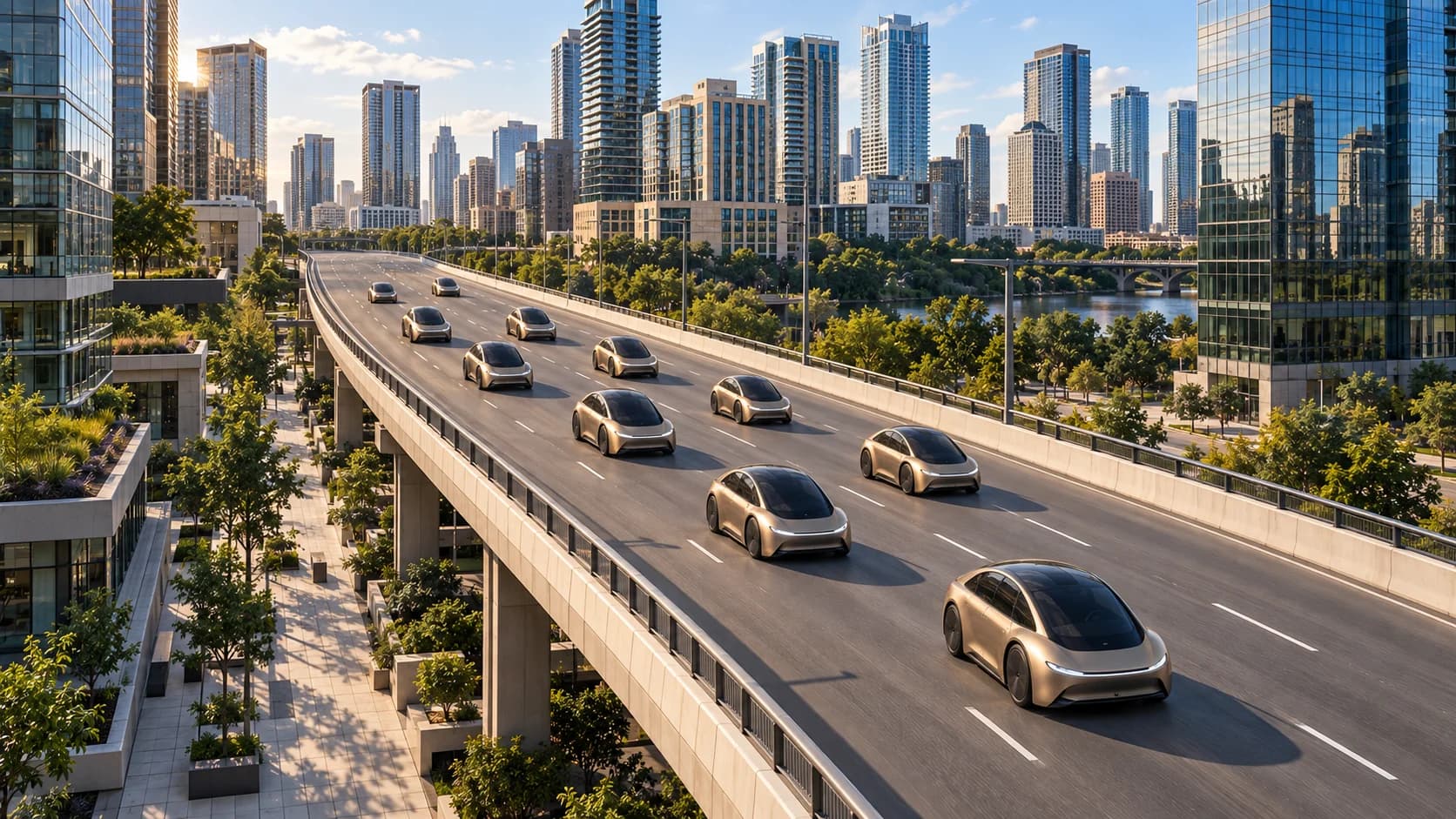
Robotaxi fleet concept.
This is where we’ve spent the last few years. Our team has built, deployed, financed, and operated assets across connectivity, positioning networks, energy, and other distributed infrastructure.
That experience shaped the thesis behind Fractals. The people best at running these assets are almost never the ones with the capital to fund them, and the people with capital usually have few ways in.
Fractals is the capital formation layer for the machine economy.
Read our Pre-Seed Announcement on X
Robotaxis Are Here
On September 3rd, Tesla held a low-key launch event in Austin. Around 45 production Cybercabs joined the Robotaxi fleet, and public rides opened soon after.
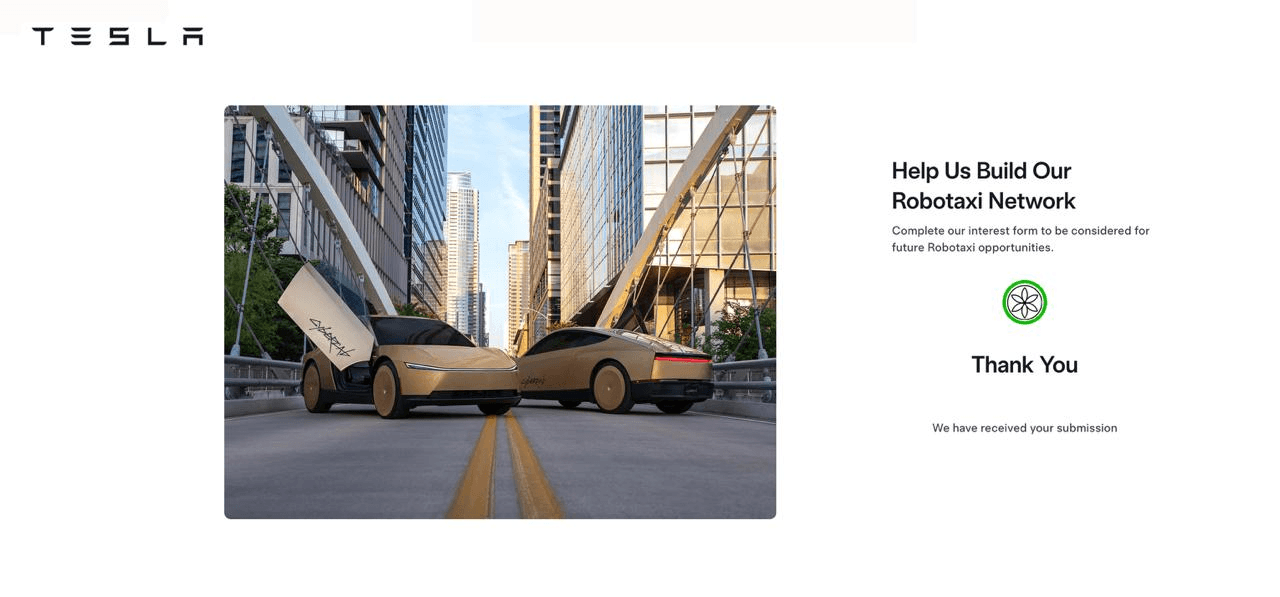
Tesla also put up an interest form for businesses that want to buy and operate Cybercab fleets and help grow the network.
We filled it out right away.
Through most of their history, cars have been a consumer asset that people generally lose money on. Autonomy turns them into productive assets that pick up riders around the clock. And unlike a lot of other infrastructure assets, a robotaxi reports what it earns every ride, every day, which makes it far easier to underwrite.
Also, they’re F’n cool. Everyone we’ve spoken to immediately gets it. Nobody needs a long explainer on why a car that drives itself around and makes money is interesting. We believe people should be able to own machines like these too.
Building in Public
So we started with a simple question: what would it actually take to own and operate a Robotaxi fleet?
Where do you deploy them? Where do they charge? Who cleans and maintains them? How does insurance work? What determines utilization? What does a vehicle actually earn? How long until they break even?
And ultimately, who gets to own them, and how?
There are already some fleet companies popping up that allow accredited investors to pool capital together to buy Robotaxis. But that limits the opportunity to people with $1m+ net worths and, maybe more importantly, doesn’t create a secondary market for these assets.
That’s where Fractals comes in. But more on that later….
We’re going to work through it all in public. Every week we’ll share what we’re learning and track the rollout as it happens, and we’ll be clear about what's known, what we’re assuming, and what nobody knows yet.
Some of our assumptions will be wrong, and we’ll make mistakes. But we are on the path to tokenize some of the most exciting assets of our time.
Get Involved
If you want to follow along, or hear first when robotaxi fleets open up, join the list at fractals.finance/robotaxi.
If you already run vehicles, whether that’s a Turo fleet, a dealership, or a lot with charging and room to spare, we’d also love to talk.
The people will own the machines.