Tesla Opens Robotaxi Service in Fort Worth
In a minute.
Tesla began offering driverless Robotaxi rides in Fort Worth at 6 a.m. on Monday, November 2, after an announcement from its Robotaxi account on X the night before. Posts from Tesla-focused accounts put the service area at about 143 to 144 square miles around downtown, making Fort Worth the fourth Texas city in the network and the second in the Dallas-Fort Worth area. Tesla has not published a fleet size or named the vehicle model for the city. On its October 21 earnings call the company said Cybercab service would start in Dallas in November.
Tesla opens Robotaxi service in Fort Worth
Tesla's Robotaxi account said service in Fort Worth would start at 6 a.m. on November 2; accounts relaying it report a zone of about 143 square miles.
Basenor / Nov 2
commercial operation / reported
Fort Worth service starts Monday
Tesla opened its driverless Robotaxi service in Fort Worth on Monday, November 2, at 6 a.m. local time, according to posts that relayed an announcement from the company's Robotaxi account on X late Sunday. A summary of posts from Tesla-focused accounts describes the launch, and the original post is listed on X; the details below come from the accounts that relayed it.
The reported service area covers about 143 square miles centered on downtown Fort Worth. Enthusiast accounts describe it as reaching the Stockyards, Texas Christian University and the Cultural District, with edges near White Settlement, Haltom City and Benbrook. Those place names come from social posts, not from a Tesla map document, and the figure varies by a square mile between accounts.
The same summary ranks the Fort Worth zone third among Tesla's driverless areas, behind Austin at about 272 square miles and Houston at about 254, and ahead of Dallas at about 81. It describes the service as fully driverless, with no safety driver aboard. Tesla began unsupervised Model Y service in Dallas and Houston in April, and Fort Worth would become its second market in the Dallas-Fort Worth area.
Geofence size marks where a car may take passengers. It does not show how many cars serve the area, how long riders wait or how many trips are completed, and Tesla has not published those figures for any Texas city. The posts do not say which vehicle carries riders in Fort Worth.
Analysis: the launch would widen Tesla's Texas footprint, but coverage area says little about how many riders it serves.
What Texas registry data shows
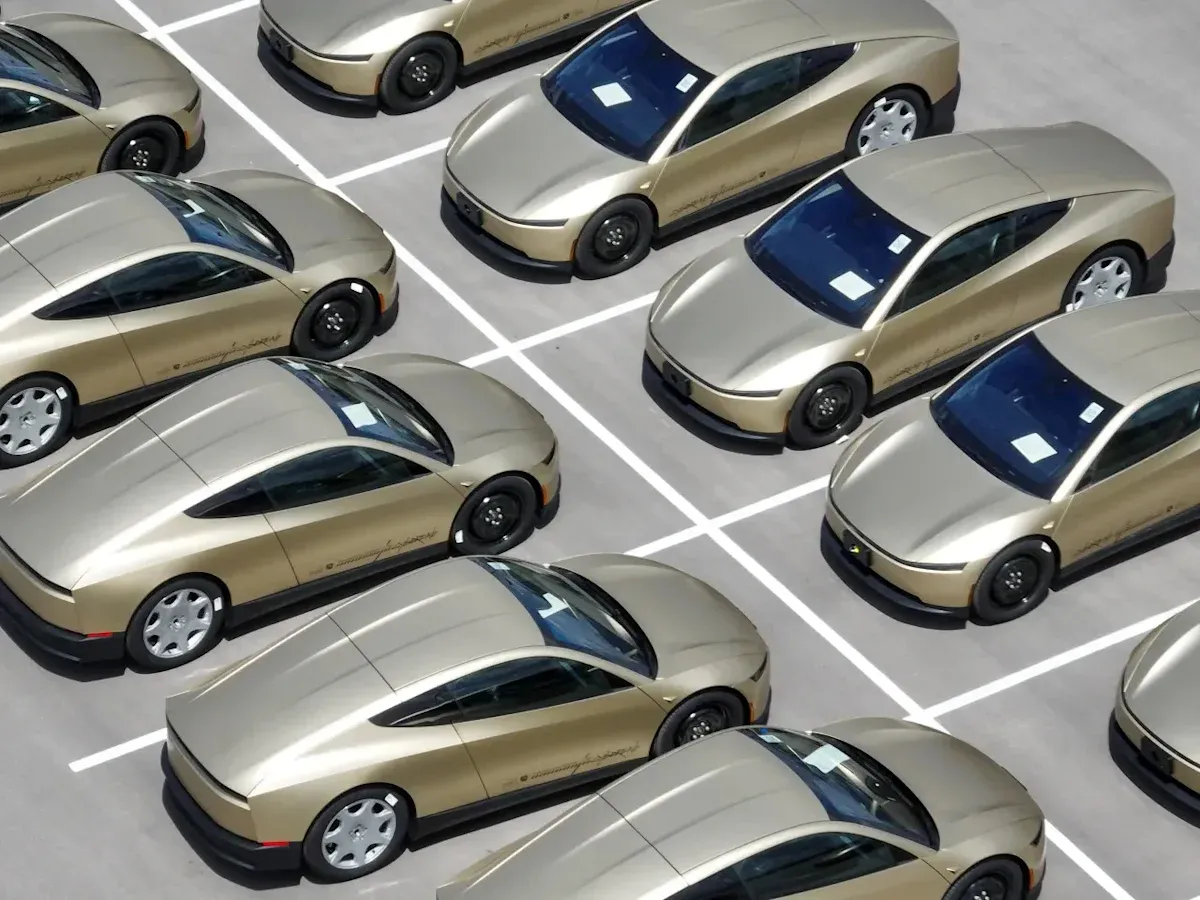
Texas requires companies running commercial driverless vehicles to hold authorization from the state Department of Motor Vehicles and to list their vehicles. A report published October 27 said the state registry showed 1,051 Tesla vehicles authorized for robotaxi use, 544 of them Cybercabs and 507 Model Ys. That was the first time Cybercabs outnumbered Model Ys on the list. The report stressed that the data shows authorization and not vehicles giving rides.
The registry covers the whole state. Its total cannot be divided among Austin, Dallas, Houston and Fort Worth, and a larger list does not show whether Fort Worth has vehicles of its own on a given day.
Tesla's third-quarter shareholder letter, filed with the SEC on October 21, lists installed Cybercab capacity at its Texas factory of more than 125,000 units a year, with a status of production. The letter notes that actual production rates depend on equipment uptime, component supply and regulatory considerations, so the figure describes capacity and not output. The same document names Austin as the only Robotaxi city, a description that predates the Fort Worth opening.
Analysis: registration is a legal precondition for driverless operation, not a count of cars carrying passengers.
What Tesla told investors
On its October 21 earnings call, Tesla said Cybercab service would begin in Dallas in November and spread to other cities by the end of the year, TechCrunch reported. The company also said it plans to start selling Cybercabs to fleet operators by year-end. Chief Financial Officer Vaibhav Taneja said Tesla needs all the regulatory approvals before it can deploy vehicles as fast as it can build them. Ashok Elluswamy, who oversees autonomy, said the remaining bottlenecks are not purely regulatory but technological, pointing to gradually expanded service hours and work on harder driving conditions before scaling.
The shareholder letter reports nearly two million cumulative unsupervised miles at the end of the quarter, up eightfold from the previous quarter, and 1.74 million active subscriptions to supervised Full Self-Driving software, up from 1.48 million in the second quarter. TechCrunch noted that Tesla replaced a chart of cumulative paid Robotaxi miles with one of unsupervised miles, which counts driving whether or not a rider paid, and that Tesla did not disclose robotaxi revenue. Musk said the business would not be noticeable in Tesla's overall financials until the second quarter of 2027.
The Fort Worth opening is the first new Tesla city reported since the call. Whether Cybercabs will serve riders there has not been stated.
Analysis: Tesla's disclosures stress miles driven and expansion plans, while paid-ride figures stay private.
Federal Cybercab audit remains open
NHTSA opened Audit Query 26002 on September 3, shortly after Cybercab rides began in Austin, to examine the basis on which Tesla certified that the vehicle meets federal safety standards. Not a Tesla App reported that the agency posed 21 requests covering plans to scale Cybercab operations, operating limits, and how Tesla self-certified a vehicle with no steering wheel, pedals or side mirrors. They also ask about turn signals, rearview cameras and foot-operated service brakes, whether temporary human controls were used in testing, and why Tesla did not seek an exemption.
Tesla asked for an eight-week extension to November 20; NHTSA granted 30 days, moving the deadline from September 30 to October 30. TechCrunch said Tesla maintains the Cybercab is compliant and that NHTSA's proposed rule changes for vehicles without human drivers are likely months from finalization. The audit is an information request and not a finding of a defect, and no outcome has been reported.
Texas authorization governs where a company may operate in the state, while NHTSA's review concerns certification of the vehicle. The Fort Worth launch bears on the first question and has no reported bearing on the second.
Analysis: federal certification and state operating authority are separate questions, and only the first is under NHTSA review.
What to watch next
Tesla's Robotaxi account and app are the primary record for the Fort Worth boundary and the vehicles used there, and local reporting would add independent confirmation of the first rides. Tesla has said Cybercab service in Dallas begins in November without naming a day. The Texas DMV registry will continue to show vehicle authorizations, and any NHTSA action on the Cybercab audit would appear in the agency's records.
The next milestones are Tesla's Fort Worth boundary and the start of Cybercab rides in Dallas.
Sources & notes.
- Tesla (SEC Form 8-K exhibit)Tesla Q3 2026 shareholder update
Primary source / Oct 21
- TechCrunchTesla is prepping a Cybercab onslaught
Reporting / Oct 22
- Yahoo FinanceTSLA Stock Rises As Cybercabs Overtake Model Ys In Authorized Texas Robotaxi Fleet
Reporting / Oct 27
- BasenorTesla Robotaxi Hits Fort Worth: 6 Details That Matter
Unverified source / Nov 2
- Not a Tesla AppTesla gets extension to respond to NHTSA's Cybercab probe
Reporting / date not provided
- X (Tesla Robotaxi account)Robotaxi available in Fort Worth starting tomorrow, 6am
Unverified source / Nov 2
Tesla's announcement of Fort Worth service has reached readers through posts and a blog summary of them; the company has not published a Fort Worth boundary map or fleet size.
Accounts give the Fort Worth service area as 143 or 144 square miles.
It is not established whether Model Y vehicles, Cybercabs or both carry Fort Worth riders.
Tesla has given no date for Cybercab rides in Dallas beyond the month of November.
No outcome has been reported for Tesla's answers to NHTSA's Cybercab audit, which were due October 30.